 中文
中文
 English
Understanding the wiring configuration of a CPU cooling fan is an important consideration when choosing it. This not only relates to the functionality of the fan, but also affects its compatibility and performance in the system. This article will delve into the wiring configuration of the CPU fan.
Wiring configuration of CPU fan
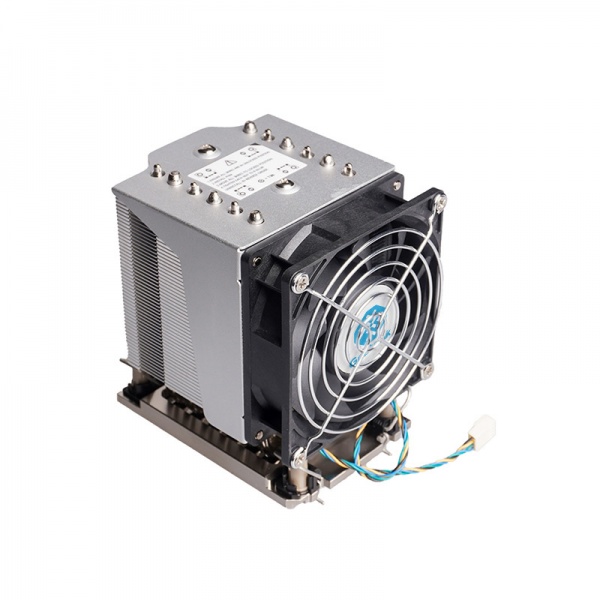
Standard configuration of four wire harnesses
Modern CPU fans typically use a four wire harness configuration, with each wire harness carrying a different function:
Green line: represents a 12V power supply, providing the necessary power for the fan.
Black wire: responsible for grounding, ensuring the safety and stability of the circuit.
Yellow line: As a signal line sensor, numbered 2113, it is used to send the fan speed information to the motherboard. This function is crucial for monitoring fan status and preventing overheating faults.
Blue line: The PWM (Pulse Width Modulation) signal line introduced by Intel in Socket T structure fans is used to achieve intelligent temperature control function. By adjusting the duty cycle, the PWM signal line can regulate the fan speed within the range of 0-100%, improve heat dissipation efficiency, and reduce noise.
The specific functions of each wire harness
Green and black wires: The green wire provides a 12V power supply, while the black wire serves as a ground wire to ensure the normal operation of the fan.
Yellow line: As a speed measurement line, the yellow line can monitor the speed of the fan and provide feedback to the motherboard. This function helps to detect fan faults in a timely manner and prevent system overheating caused by poor heat dissipation.
Blue line: The PWM signal line controls the fan speed by adjusting the duty cycle, achieving intelligent temperature control. This adjustment method not only improves heat dissipation efficiency, but also reduces fan noise, providing users with a more comfortable user experience.
The advantages of PWM fans
PWM fans do not rely on the BIOS settings of the motherboard, making them more convenient to use. By outputting different duty cycles through PWM pulse signals, the fan speed can be adjusted within the range of 0-100% to achieve intelligent temperature control. This feature makes PWM fans perform well in high-performance CPU heat dissipation, becoming the first choice for many users.
Suggestions for selecting cooling fans
When choosing a CPU cooling fan, in addition to considering the wiring configuration, it is also necessary to pay attention to performance parameters such as fan speed, blade shape, blade angle, and bearing system. These factors collectively determine the cooling effect and noise level of the fan.
Understanding the wiring configuration of the CPU fan is crucial for selecting the appropriate cooling fan. The standard configuration of four wire harnesses (green, black, yellow, and blue wires) respectively undertake the functions of power supply, grounding, speed measurement, and intelligent temperature control, jointly ensuring the efficient operation and intelligent adjustment of the fan. When making a purchase, it is also necessary to pay attention to other performance parameters of the fan to meet the needs of different users. I hope this article can help readers make wise decisions in the selection of cooling fans.